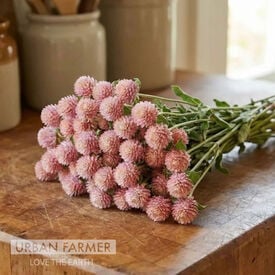
QIS Rose Gomphrena is highly productive accent flower that is excellent for fresh bouquets or dried arrangements. Produces 1-2" rose color blooms. The QIS (Quality in Seed) Series is a florist favorite for its consistent production in quality, length, and uniformity. Also known as globe amaranth and common globe amaranth.

A gorgeous show of 3-4’ tall and wide plants covered with an abundance of semi-double to double white flowers. The more you cut the more they will bloom all the way until fall! Pinching back the first few flower buds will lead to a better plant structure and more blooms!
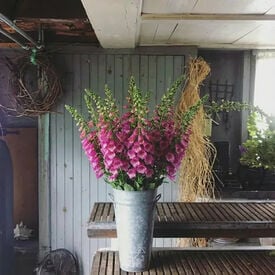
Great for bouquets and flower gardens. Blooms from seed the first year and produces beautiful rose colored bells with dark red freckling. Produces 1-2 large center spikes with an abundance of side shoots great for cut flowers. Seed has been pelleted for ease of sowing.
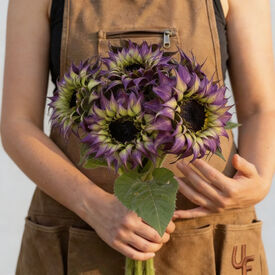
SunFill™Purple is a perfect pre-bloom purple filler for any bouquet. Stems are cut when the buds are full before flowering to provide a fantastic new look to your arrangements. The window for cutting depends on the size of the bud you want. Cut early for small buds, wait a bit longer before flowering to have a larger bud. SunFill™Purple mixes perfectly with spring colors to provide a fresh look to your vase.
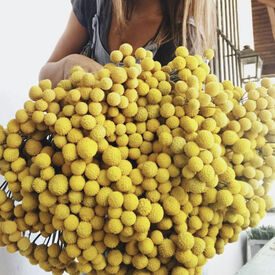
Billy Balls, scientifically known as Craspedia globosa, are unique and charming flowering plants that belong to the Asteraceae family. Native to Australia and New Zealand, these distinctive plants have gained popularity in floral arrangements and gardens around the world due to their eye-catching appearance. They are commonly referred to as "billy buttons" or "drumstick flowers." Billy Balls are known for their spherical, globe-shaped flower heads, which consist of densely packed, tiny yellow florets. These flowers have a long history, dating back to their indigenous use by Australian Aboriginal people for various purposes, including medicinal and decorative uses. In modern times, they are prized as a cut flower, adorning bouquets and arrangements with their whimsical and playful appearance. When grown as cut flowers, Billy Balls typically reach a height of 12 to 24 inches (30 to 60 cm) and have sturdy, slender stems that make them ideal for floral designs. They have a unique and distinctive appearance, with their spherical, golf ball-sized flower heads perched atop long, wiry stems. It usually takes about 70 to 90 days from seed sowing to maturity, making them a relatively quick-growing flower. Billy Balls are most commonly found in shades of vibrant yellow, but they can also be found in other colors such as white and orange. They are typically grown from seeds, which should be sown in well-draining soil in a sunny location. Space the seeds or seedlings about 8 to 12 inches (20 to 30 cm) apart to ensure proper air circulation and growth. These plants thrive in well-drained soil and prefer a sunny spot in the garden. With their striking appearance and relatively easy cultivation, Billy Balls have become a favorite addition to both gardens and floral arrangements.
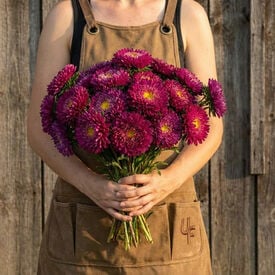
Bonita Rose Aster produces beautiful, fully-double pompon flowers that that turn completely dark pink. The rose flowers reach up to 2" in diameter and remain attractive even when aging. Rose Bonita’s flowers are held at a perfect angle for maximum impact. Bonita has fusarium resistance.
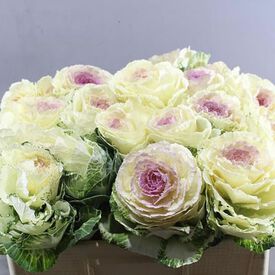
Condor Pure White is a cut flower kale that offers a textured and on-trend look for bouquets and arrangements. Bred for stems that grow straight and that are are easy to cut and bunch. Also known as flowering kale and ornamental cabbage.
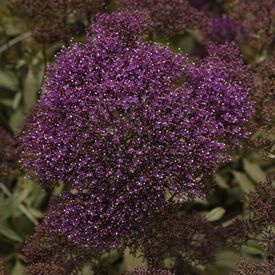
The 'Lake Collection' Violet offers a long-day flowering Trachelium variety that produces the large central umbel with smaller violet side umbels or “satellites.” Excellent vase life and great for floral arrangements. Foliage is medium green. Needs a minimum of 16 hours of day length to flower. Also know as the throat flower.
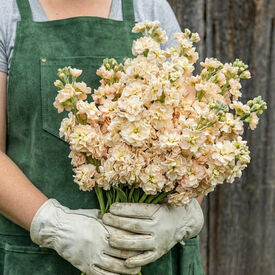
Tightly spaced petals on the flower spike make for compact 1.5–2", creamy peach-colored blooms with a full appearance. An early stock that makes a great cut flower for home gardeners and market growers. Iron has strong, straight, rigid stems.
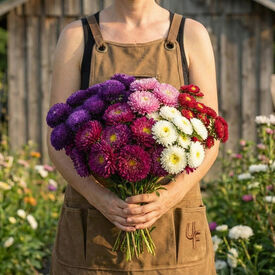
Bonita Blend Aster produces beautiful, fully-double pompon flowers that that turn a mixture of red, blue, purple, white and pink. The flowers reach up to 2" in diameter and remain attractive even when aging. Bonita’s Blend flowers are held at a perfect angle for maximum impact. Bonita has fusarium resistance.
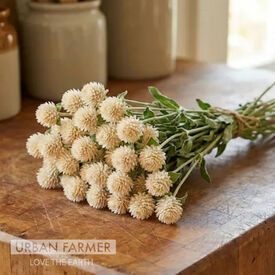
QIS Cream Gomphrena is highly productive accent flower that is excellent for fresh bouquets or dried arrangements. Produces 1-2" blooms in cream color. The QIS (Quality in Seed) Series is a florist favorite for its consistent production in quality, length, and uniformity. Also known as globe amaranth and common globe amaranth.
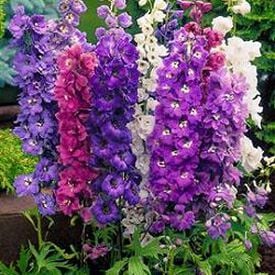
The Magic Fountains Delphinium is tall and compact that stands without any staking and produces bushy, bright flowers that make it excellent for cutting. This variety offers good performance and unusual, dramatic effect as a bedding plant.
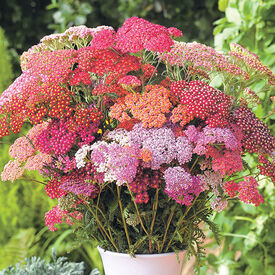
The Flowerburst Red Shades Achillea, or also known as Yarrow, is a beautiful flower with a great habit and vigor that blooms predominantly darker red colors. This attractive flower is very vibrant and long lasting, making it the perfect addition to any home garden! Excellent cut flower with long life in a vase.
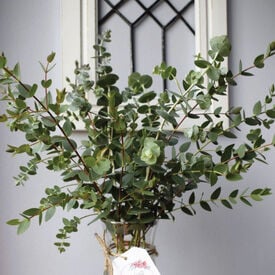
Small-Leaved Gum Eucalyptus, scientifically known as Eucalyptus angophora, is a striking evergreen tree native to Australia, characterized by its narrow, lance-shaped leaves that give it a delicate appearance. Typically growing to heights of 20 to 30 feet, this tree features a smooth, mottled bark that peels away in strips, revealing a fresh layer underneath. The leaves are a vibrant green, with a fragrant aroma that can be enjoyed when brushed or crushed. Small-Leaved Gum Eucalyptus produces clusters of small, creamy white flowers, which bloom in late spring and attract a variety of pollinators, including bees. This tree thrives in full sun and well-drained soil, demonstrating resilience to drought conditions once established. It is often favored in landscaping for its ornamental qualities and adaptability to various environments. With its elegant foliage and charming flowers, Small-Leaved Gum Eucalyptus adds both visual appeal and ecological benefits to gardens and parks.

The Marmalade Rudbeckia is a dwarf variety that has large, golden-orange flowers that will bloom from summer to early fall! This flower grows to be two feet tall, and flowers are up to five inches across. It is a versatile plant that can be used in flower beds, borders, cutting gardens and large containers.
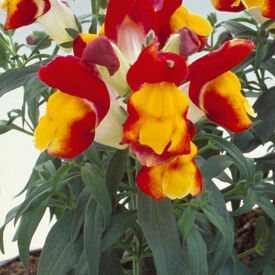
Red Yellow Bicolor Snapdragon produces beautiful red and yellow blended blooms. Floral Showers is one of the best performing dwarf snapdragons around! This early, day neutral has a delicious fragrance, making it a perfect addition to any garden. Performs well in both spring and fall. Excellent cut flower variety. Ht. 8-10". Avg. 185,000 seeds/oz. Packet: 100 seeds.

The Vincent's® Choice & Fresh Sunflower mix is a beautiful, non nodding, pollen-free variety that is sure to be your new garden favorite! This long-lasting and eye-catching sunflower does not depend on daylength to grow, so you can start the seeds much earlier! Vincent's Choice & Fresh can reach about 5-6 feet high and produce large gold blooms with dark brown & green centers. Enjoy Vincent's Choice in your garden and in your home as a cut flower! Ht. 60–72". Avg. 620 seeds/oz. Packet: 50 seeds.
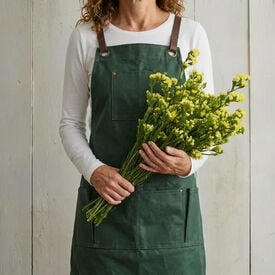
Hipster Yellow Limonium seeds—often referred to as Sea Lavender, Statice, or Limonium sinuatum—produce a modern, vibrant take on a classic cut-flower favorite that has been grown for centuries around the Mediterranean for its long-lasting blooms and excellent dried-flower qualities. This variety features sturdy stems topped with clouds of papery, creamy yellow calyxes that hold their color exceptionally well, giving arrangements a soft, airy texture both fresh and dried. Plants thrive in full sun, heat, and drought, preferring sandy or well-drained soil, and they resent overwatering. For best results, start seeds indoors 8–10 weeks before the last frost, lightly covering them, and transplant once the weather warms; in the garden, avoid rich soils and excess moisture, as limonium performs best under lean, dry conditions.