Learn More
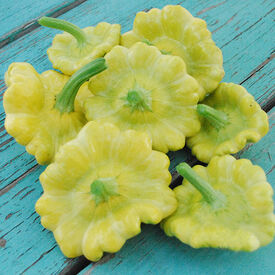
Gelber Englischer squash, also known as "Yellow English Squash," is a classic heirloom variety with a history that dates back to the 19th century. Originating from England, this squash is celebrated for its vibrant yellow color and distinctive culinary qualities. The plant produces smooth, medium-sized fruits that are typically yellow when ripe. Known for its tender texture and mild, buttery flavor, Gelber Englischer squash is versatile in the kitchen, ideal for sautéing, grilling, or adding to soups and casseroles. The plant grows in a sprawling habit, with broad, heart-shaped leaves and is generally vigorous and productive. It is usually ready for harvest in mid to late summer when the fruits are firm and bright yellow. With its rich history, appealing color, and delicious taste, Gelber Englischer squash continues to be a popular choice among gardeners and chefs alike.
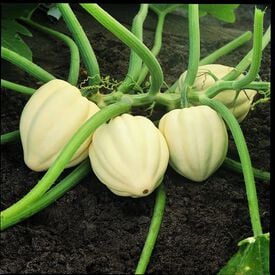
The Cream of the Crop is a white bush-type acorn squash that really is the cream of the crop! This variety is white and on the large side for an acorn, weighing in at 2-3 lb. Cream of the Crop is great picked small and used as a summer squash, or can be left to ripen and used for winter storage. This squash is perfect for those who want to grow a garden in small spaces.
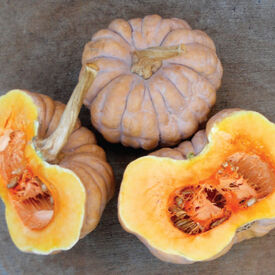
The Kikuza is a unique, pumpkin-like delicious Japanese heirloom squash. This variety can grow to be a large 5 lbs. with an orange ribbed rind, with a thick, juicy, spicy and tender flesh. The Kikuza has a wonderful flavor and is great baked or roasted.
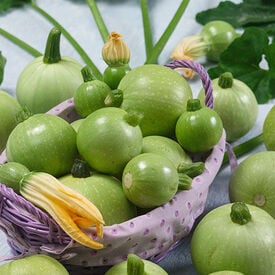
The Ronde De Nice is a delicious French heirloom zucchini that is known for its flavor and tenderness! These round little summer squashes are the perfect zucchini for stuffing or roasting. This bush plant is also a wonderful producer for home gardens. Enjoy the light green globes with creamy yellow flesh in any dish. Certified Organic. Learn more about our organic seeds.
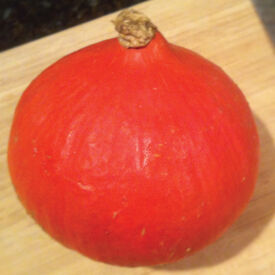
The Red Kuri is a delicious red and uniquely shaped Japanese winter squash. This variety matures small fruits that reach to be 10 lbs. each with a slight teardrop-shape. The Red Kuri has a smooth golden flesh that is dry, sweet and rich. This squash is a great yielding and keeping variety.
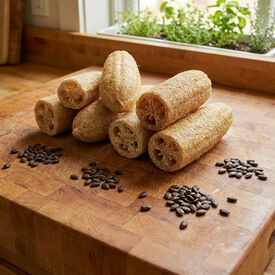
Grow your own bathroom sponge with this Luffa gourd! The fibrous internal structure of the Luffa can be used as a sponge for cleaning or as an exfoliator. This gourd is fun to grow and show your friends!
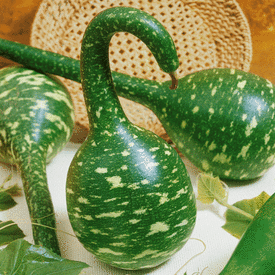
The Speckled Swan is a beautiful swan shaped gourd. This gourd has a long 12-16" neck that curves and enlarges at the end to resemble a swan. This gourd is ideal for selling at fall markets for decorating or painting once dried!
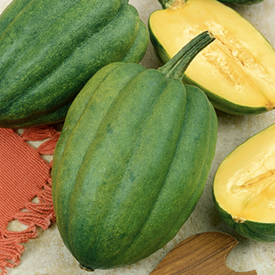
The Table Queen Acorn Squash is a customer favorite winter squash. This variety is a medium sized, acorn shaped, vining type. The flesh of this heirloom acorn is a sweet golden yellow that turns more orange in storage, contrasting with its dark green and ribbed rind. Harvest before frost, leaving part of the stem attached to the fruit. Organic certified.
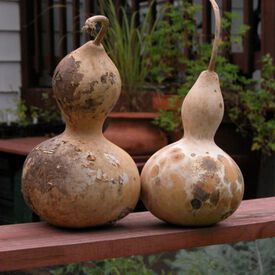
The Birdhouse gourd, also known as Lagenaria siceraria, is a distinctive and versatile gourd variety with a rich history and unique characteristics. Originating from Africa and the Americas, this gourd has been cultivated for centuries, originally valued for its use as a natural birdhouse and other functional purposes. The Birdhouse gourd is recognized for its large, bulbous shape with a narrow neck, which resembles a traditional birdhouse. The skin is typically green when immature, transitioning to a light brown or tan as it matures and dries. The plant exhibits a vigorous, sprawling growth habit, reaching lengths of 10 to 15 feet, and produces large, white or pale green flowers that bloom in mid-summer. These blooms eventually give way to the gourd itself, which can be harvested when fully matured and dried. Birdhouse gourds are valued not only for their practical uses, such as crafting into birdhouses, lanterns, and decorations, but also for their ornamental appeal and ease of growth. They thrive in warm climates with full sun and well-drained soil, and their robust vines make them ideal for trellises or arbors. With their historical significance, versatility, and striking appearance, Birdhouse gourds are a beloved choice for gardeners and crafters alike.
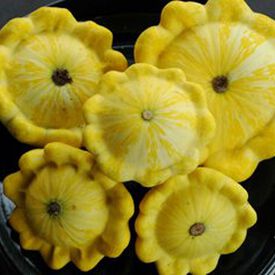
The Yellow Bush Scallop Squash plant, also known as the Golden Custard, produces beautiful yellow scallops. This variety offers beautiful, bright yellow fruits with a rich, mellow flavor that is perfect for stuffing. The Yellow Bush Scallop offers high yields making it great for market production.
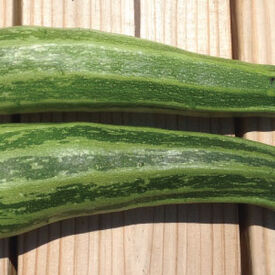
The Italian Cocozelle is a bush type of squash plant that produces high yields of the long, tender, dark green fruits. This Italian zucchini is very flavorful and tender. This variety is best when harvested at 12" long or smaller. The Cocozelle is excellent for slicing, frying, and steaming and is also a good freezing and canning variety. Pick often when the squash is young to prolong harvest. Harvesting zucchini when it is young and tender offers the best flavor and eating quality. See the second picture for what the inside should look like when harvested.
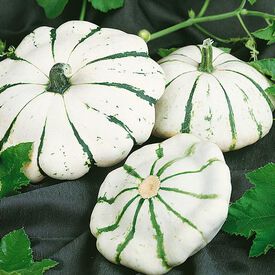
The Scallop Juane et Verte Squash is a beautiful french heirloom scalloped summer squash that is known for being very flavorful. This cream-ivory and green striped scalloped squash can be used for both ornamental and cooking purposes. Scallop Juane et Verte is the perfect stuffing squash!
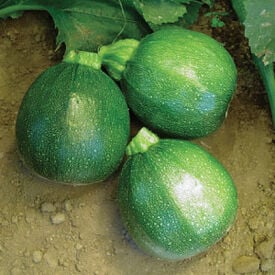
Just like its name, the Round Zucchini is an unusually shaped round variety. This Zucchini is great roasted in salads, baked, stuffed, stir-fried or made into zucchini bread. The mini, tender and delicious Round works especially well for stuffed zucchini recipes because of its unusual shape.
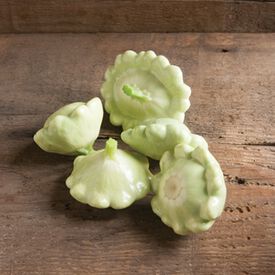
The Benning's Green Tint is a very light green scallop-shaped summer squash with a deliciously tender and good quality flesh. This squash variety is easy to grow and produces high yields. The Bennings Green Tint Scallop is an old time favorite squash that is great for markets and home gardens.
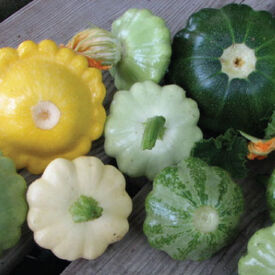
The Scallop Blend Squash is a wonderful mixture of unique yellow, white, and green scallops. This fun blend is perfect for home gardeners. Growing the unique, colorful Scallop Blend will give you a mix of different tastes, maturity times and colors in your garden.
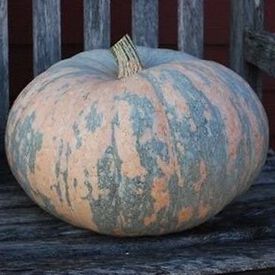
The Iran Winter Squash is a large and pumpkin-like squash. This 50 plus pound squash has a silver green to salmon orange exterior. The ornamental Iran is drought and heat tolerant making it perfect for fall decorations. These squashes can be stored for more than a year!
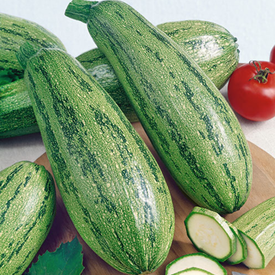
Caserta squash is a distinctive heirloom variety of summer squash with a rich history and notable characteristics. Originating from Italy, Caserta squash has been cherished for its unique appearance and exceptional flavor. The squash is characterized by its small to medium size, with a slightly elongated shape and smooth, pale green skin that often has a subtle, mottled pattern. The flesh is tender and creamy, offering a mild, nutty flavor that enhances a variety of dishes, from stir-fries to gratins. Caserta squash typically reaches harvestable maturity in about 50 to 60 days from planting, and the plants exhibit a bushy, compact growth habit, making them well-suited for smaller garden spaces. They thrive in warm, well-drained soil and prefer full sun exposure. The plants are prolific producers, yielding an abundance of tender, flavorful squash throughout the growing season. With its unique color, mild flavor, and manageable growth habits, Caserta squash is a valuable addition to both culinary gardens and farm-to-table dining experiences. The Caserta Zucchini is an early bush cocozelle that was a 1949 AAS winner.
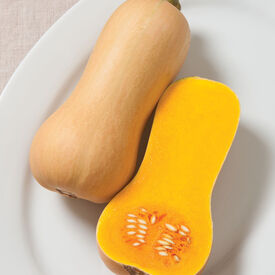
In our opinion the best tasting small butternut squash on the market. Flesh is sweet and rich with amazing flavor. This is the perfect squash for farmers' markets and home gardens. At maturity this squash will weight 2 lbs and stores for over 3 months once picked. PMR: Powdery Mildew Resistant. AAS Winner.