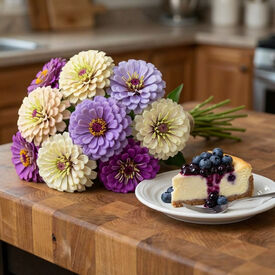
Blueberry Cheesecake mix is composed of white, purple and lavender zinnia varieties. This mixture produces beautiful blooms of semi-double to double flowers on each stem. Zinnias are a perfect choice for any cut flower grower and even attract butterflies to your garden. Large, colorful blooms lend cheer and texture to bouquets and floral arrangements. Spread at 19 lbs per acre or 7 ounces per 1,000 sq.ft.
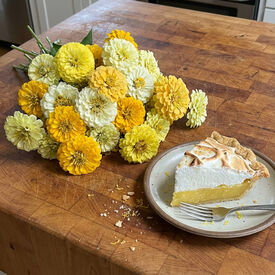
Lemon Meringue blend is composed of white, yellow and lime-green zinnia varieties. This mixture produces beautiful blooms of semi-double to double flowers on each stem. Zinnias are a perfect choice for any cut flower grower and even attract butterflies to your garden. Large, colorful blooms lend cheer and texture to bouquets and floral arrangements. Spread at 19 lbs per acre or 7 ounces per 1,000 sq.ft.
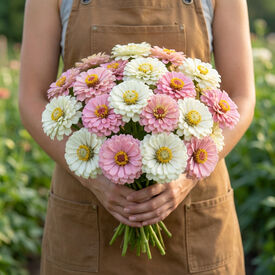
The Blushing Bride Zinnia Mix is composed of white and pink blend zinnia varieties. This mixture produces beautiful blooms of semi-double to double flowers on each stem. Zinnias are a perfect choice for any cut flower grower and even attract butterflies to your garden. Large, colorful blooms lend cheer and texture to bouquets and floral arrangements. Spread at 19 lbs per acre or 7 ounces per 1,000 sq.ft.
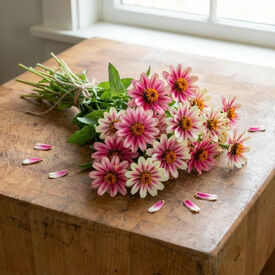
Cherry Bicolor Profusion is a beautiful zinnia with mixture of whites, pinks and red petals. A popular variety for greenhouse growers, containers and in the garden. Excellent disease resistance and uniformity. Also does very well in extreme heat and drought tolerant. Compact growth and excellent performance allow it to grow in all climates. Ht. 14-18". Avg. 2,750 seeds/oz.
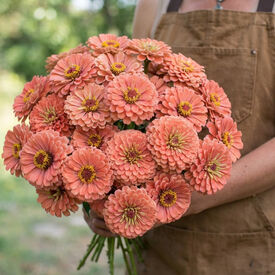
Benary's Giant Salmon zinnias are a stunning and elegant variety known for their soft, yet vibrant color and impressive blooms. Developed by the Benary breeding program in Germany, this zinnia was introduced to offer a unique and appealing salmon hue along with the robust performance that the Benary varieties are known for. The plants produce large, fully double flowers with a delicate salmon-pink color that adds a warm and inviting touch to any garden or floral arrangement. Each bloom features densely packed, ruffled petals that create a plush, rounded appearance, contributing to its visual charm. Benary's Giant Salmon zinnias typically grow to heights of 24 to 36 inches and have a bushy, upright growth habit, making them suitable for garden beds, borders, and cutting gardens. They begin blooming in mid-summer and continue to display their beautiful salmon flowers until the first frost. These zinnias thrive in well-drained soil and full sun, showing resilience to heat and common pests. With their soft salmon color, substantial flower size, and extended blooming period, Benary's Giant Salmon zinnias are a graceful and vibrant addition to any garden or floral display.

The Peach Cobbler Zinnia Mix is composed of our ‘Canary Bird’, ‘Coral Beauty’, ‘Luminosa’ and ‘Orange King’ Zinnia varieties, creating a warm and refreshing color combination. Spread at 19 lbs per acre or 7 ounces per 1,000 sq.ft.

Zinderella Peach zinnias are a charming and distinctive variety renowned for their soft, pastel blooms and robust performance. Originating from innovative breeding programs aimed at expanding the zinnia color palette, Zinderella Peach was developed to offer a unique and elegant peach hue. The flowers are large and fully double, featuring a delicate peach color that adds a subtle, warm glow to gardens and floral arrangements. Each bloom is characterized by its densely packed, ruffled petals, creating a plush, rounded appearance that enhances its visual appeal. Zinderella Peach zinnias typically grow to a height of 12 to 18 inches and have a compact, bushy growth habit, making them well-suited for garden beds, containers, and borders. They begin blooming in mid-summer and continue to produce their beautiful peach-colored flowers until the first frost. These zinnias thrive in well-drained soil and full sun, demonstrating resilience to heat and common pests. With their soft peach color, impressive bloom size, and extended blooming period, Zinderella Peach zinnias add a touch of elegance and charm to any garden or floral display.
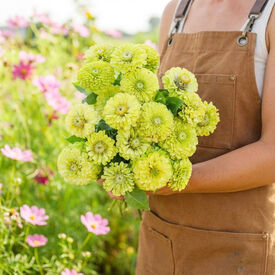
The Envy Zinnia will make all of your neighbors green with envy when they see this stunningly unique lime green variety in your garden! This easy to grow zinnia has a semi-double form that holds up very nicely in the garden or as a cut flower. As soon as the temperatures warm up, Envy will boast its green shades all season long! Envy's small blooms will attract butterflies, bees and even your neighbors to the garden! Enjoy this unique flower in beds, borders, containers and as cut flowers in an arrangement.
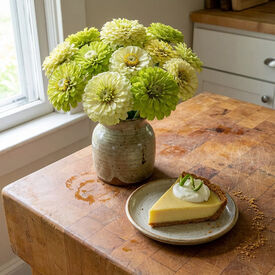
Key Lime Pie blend is composed of white and lime green zinnia varieties. This mixture produces beautiful blooms of semi-double to double flowers on each stem. Zinnias are a perfect choice for any cut flower grower and even attract butterflies to your garden. Large, colorful blooms lend cheer and texture to bouquets and floral arrangements. Spread at 19 lbs per acre or 7 ounces per 1,000 sq.ft.
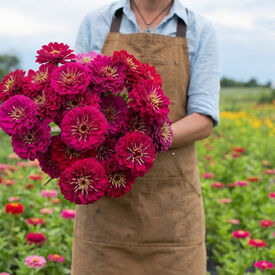
Benary's Giant Wine zinnias are a striking and sophisticated variety celebrated for their deep, rich hue and robust growth. Developed by the renowned Benary breeding program in Germany, this variety was designed to offer gardeners a luxurious color and reliable performance. The plants produce large, fully double flowers with a deep wine-red color that adds a dramatic and elegant touch to any garden or floral arrangement. Each bloom is characterized by its densely packed, ruffled petals, which create a plush, rounded appearance that enhances its visual impact. Benary's Giant Wine zinnias typically reach heights of 24 to 36 inches and feature a bushy, upright growth habit, making them well-suited for garden beds, borders, and cutting gardens. They begin blooming in mid-summer and continue to display their stunning flowers until the first frost. These zinnias thrive in well-drained soil and full sun, demonstrating resilience to heat and common pests. With their deep wine color, impressive flower size, and extended blooming period, Benary's Giant Wine zinnias are a distinguished and vibrant addition to any garden or floral display.
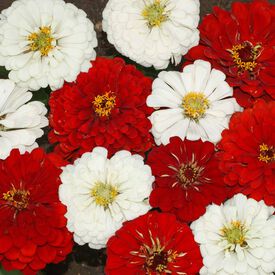
Stop Sign blend is composed of red and white zinnia varieties. This mixture produces beautiful blooms of semi-double to double flowers on each stem. Zinnias are a perfect choice for any cut flower grower and even attract butterflies to your garden. Large, colorful blooms lend cheer and texture to bouquets and floral arrangements. Spread at 19 lbs per acre or 7 ounces per 1,000 sq.ft.
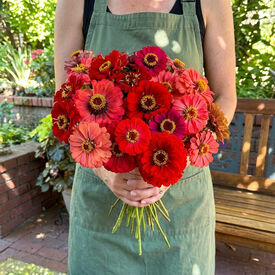
The Berry Tart Zinnia Mix is composed of ‘Cherry Queen’, ‘Coral Beauty, ‘Meteor’, and ‘Scarlet Flame’ Zinnia varieties, creating a fiery and vibrant color combination. Spread at 19 lbs per acre or 7 ounces per 1,000 sq.ft.
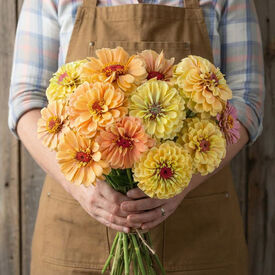
The Queeny Lemon Peach Zinnia is a stunning variety prized for its unique and captivating color combination. Its flowers exhibit a delightful blend of lemon-yellow and soft peach tones, creating a harmonious and warm palette that stands out in any garden setting. This zinnia cultivar is known for its vigorous growth and prolific blooming, producing large, double-layered flowers that add a splash of vibrancy to borders, beds, or containers. Thriving in full sun and well-drained soil, the Queeny Lemon Peach Zinnia is easy to cultivate and maintain, making it a favorite among both novice and seasoned gardeners. Beyond its ornamental value, this zinnia variety attracts butterflies and other pollinators, contributing to the garden's biodiversity. Whether used as a focal point or complementing other garden plants, the Queeny Lemon Peach Zinnia brings charm, elegance, and a touch of summer brilliance to outdoor spaces throughout the blooming season.
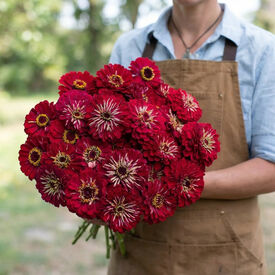
Benary's Giant Deep Red zinnias are renowned for their intense, vibrant color and impressive floral attributes. Developed by the Benary breeding program in Germany, this variety was created to offer gardeners a bold and enduring red hue combined with the reliable performance characteristic of Benary zinnias. The plants produce large, fully double flowers with a deep, rich red color that stands out prominently in garden beds and floral arrangements. Each bloom is distinguished by its densely packed, ruffled petals, which create a full, rounded appearance and add significant texture to the garden. Benary's Giant Deep Red zinnias typically reach heights of 24 to 36 inches and exhibit a bushy, upright growth habit, making them ideal for both garden beds and cutting gardens. They begin blooming in mid-summer and continue to produce their striking flowers well into the fall, often lasting until the first frost. These zinnias thrive in well-drained soil and full sun, demonstrating excellent heat tolerance and resistance to common garden pests. With their bold red color, substantial bloom size, and extended blooming period, Benary's Giant Deep Red zinnias are a dramatic and enduring choice for adding vibrant color and texture to any garden or floral display.
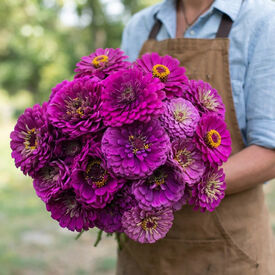
Benary's Giant Purple zinnias are a striking and elegant variety prized for their deep, rich color and impressive floral attributes. Developed by the Benary breeding program in Germany, this zinnia variety was introduced to offer gardeners a sophisticated purple hue coupled with the robust growth and durability that Benary zinnias are known for. The plants produce large, fully double flowers with a deep, vibrant purple shade that adds a touch of luxury to any garden or floral arrangement. Each bloom features densely packed, ruffled petals, giving it a plush, rounded shape that enhances its visual appeal. Benary's Giant Purple zinnias typically grow to a height of 24 to 36 inches and exhibit a bushy, upright growth habit, making them ideal for garden beds, borders, and cutting gardens. They begin blooming in mid-summer and continue to showcase their stunning flowers until the first frost. These zinnias thrive in well-drained soil and full sun, demonstrating excellent heat tolerance and resistance to common garden pests. With their rich purple color, substantial bloom size, and long-lasting flowering period, Benary's Giant Purple zinnias are a distinguished addition to any garden or floral display.
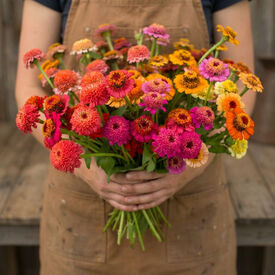
The brightly colored Zinnia Candy Mix is easy to grow and blooms delicious shades of red, yellow, pink and orange all summer long. This mix is a sweet treat for any garden! The heat loving zinnia is perfect for attracting butterflies to your garden or as a cut flower in a vase. Just like other zinnias, the more you cut the Candy Mix, the more it will grow back again!
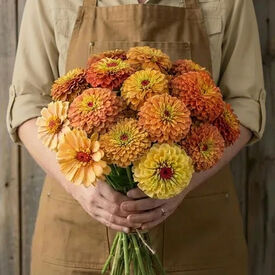
The Queeny Lime Orange Zinnia is a striking and vibrant addition to any garden, known for its distinctive color scheme and eye-catching appeal. Its large, double blooms feature a mesmerizing blend of lime green and bright orange hues, creating a dazzling display that stands out amidst green foliage or other garden flowers. This zinnia variety thrives in full sunlight and well-drained soil, showcasing its resilience to hot and dry conditions typical of its native habitats. Its bushy growth habit and abundant flowering make it an excellent choice for borders, beds, or containers, where it adds a burst of color and charm. Beyond its aesthetic appeal, the Queeny Lime Orange Zinnia attracts beneficial pollinators such as butterflies and bees, contributing to the biodiversity of garden landscapes. Whether planted in clusters or as standalone specimens, this zinnia cultivar brings a refreshing and lively energy to garden spaces, making it a favored choice among gardeners seeking both beauty and vitality in their outdoor environments.
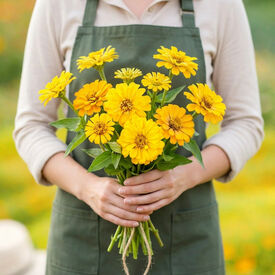
The Canary Bird Zinnia is a very attractive bright yellow variety that blooms large, brilliantly-yellow petals that make a bold statement. This variety is extremely easy to grow and long-lasting. The annual Canary Bird will brighten up any meadow or garden.