
Grow with confidence
North Charleston Vegetable Planting Calendar
Use North Charleston climate patterns to see this month’s garden tasks and crop-by-crop planting windows for the maritime lower Coastal Plain near Charleston Harbor.
Plant through winter
Broccoli, lettuce, peas, carrots, radishes and leafy greens perform best from fall through early spring.
Use spring warmth
Use Clemson Extension’s Coastal Plain windows: begin cool crops in winter, plant warm crops as soils warm, and take advantage of the long autumn season for a second vegetable garden.
Restart the cool garden
Begin fall brassicas indoors and prepare beds for direct-sown roots and greens as temperatures moderate.
Local dates, crop by crop
North Charleston Planting Dates
Choose a season and search for a crop to see when to start seeds indoors, move plants outside, direct sow and finish planting in the North Charleston area.
Spring planting
Planting Dates for Spring
| Crop | Start seeds indoors | Transplant or plant outdoors | Direct sow outdoors | Last recommended planting | Shop |
|---|
No crops match that search.
Use the dates with confidence
How to Read This Calendar
Start indoors
Sow in trays under strong light. The window is timed so seedlings reach transplant size without becoming root-bound.
Transplant or plant
Harden seedlings off for about a week. Perennial crowns, sets and seed potatoes are included in this column.
Direct sow
Plant seed directly into prepared soil. Cool-season crops can begin before frost; heat-loving crops need warm soil.
Last planting
This is the practical end of the selected window—not a guarantee. Variety maturity and unusual weather can move it.
Keep soil working after harvest
Fall Cover Crop Planting Calendar
These windows are calculated from this city’s approximate first fall frost. Sow into an open bed after harvesting vegetables, then follow the selected crop’s product directions.
| Cover crop | Best for | Approx. planting window | Winter behavior |
|---|---|---|---|
| Buckwheat | Quick biomass · pollinators | Oct 1–Oct 15 | Frost-killed |
| Oats | Biomass · nutrient capture | Oct 1–Oct 29 | Usually winter-killed |
| Field Peas | Nitrogen · cool-season growth | Oct 1–Oct 29 | Often winter-killed |
| Daikon Radish | Compaction · nutrient capture | Oct 1–Oct 29 | Usually winter-killed |
| Crimson Clover | Nitrogen · pollinators | Oct 15–Oct 29 | Overwinters where adapted |
| Annual Ryegrass | Roots · erosion control | Oct 15–Nov 12 | Manage before seed set |
| Hairy Vetch | Nitrogen · spring biomass | Oct 29–Nov 12 | Overwinters in many areas |
| Cereal Rye | Erosion · weeds · biomass | Oct 29–Nov 26 | Very winter-hardy |
| Winter Wheat | Erosion · nutrient capture | Oct 29–Nov 26 | Winter-hardy |
Planting windows are planning estimates. Check the product page for seeding rate, regional adaptation, inoculation needs, and termination timing.
North Charleston soil checkpoints
Let Soil Temperature Be the Final Check
Calendar dates start the conversation. A simple soil thermometer helps confirm that the seedbed is actually ready.
Selected for the current planting window
Seeds to Plant Now
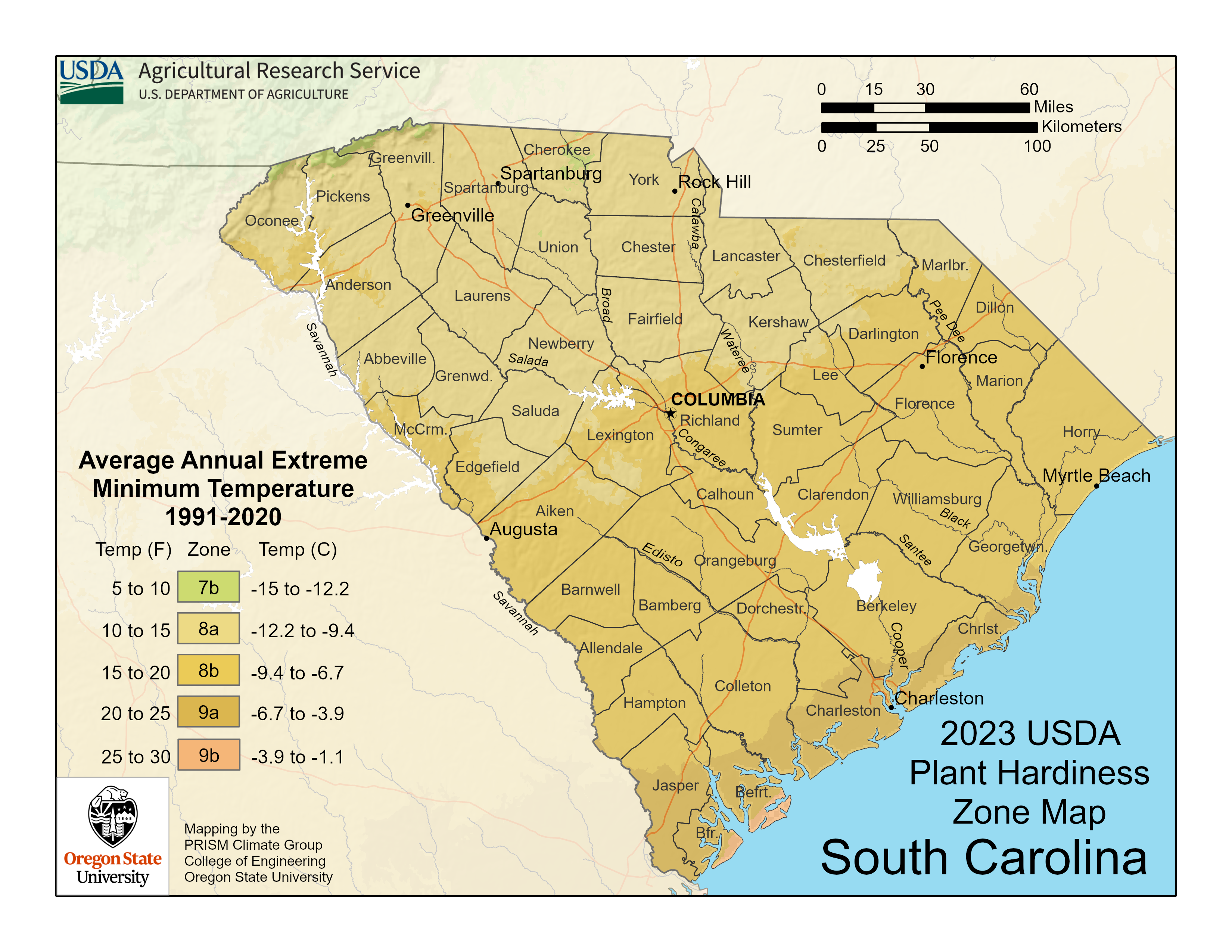
References: Clemson Cooperative Extension Planning a Garden planting guidance for South Carolina’s Coastal Plain and Piedmont regions, with locally adjusted frost-date planning estimates; USDA 2023 Plant Hardiness Zone Map; and Open-Meteo modeled soil-temperature data. the maritime lower Coastal Plain near Charleston Harbor contains meaningful neighborhood microclimates, so dates and live conditions are planning estimates, not guarantees.